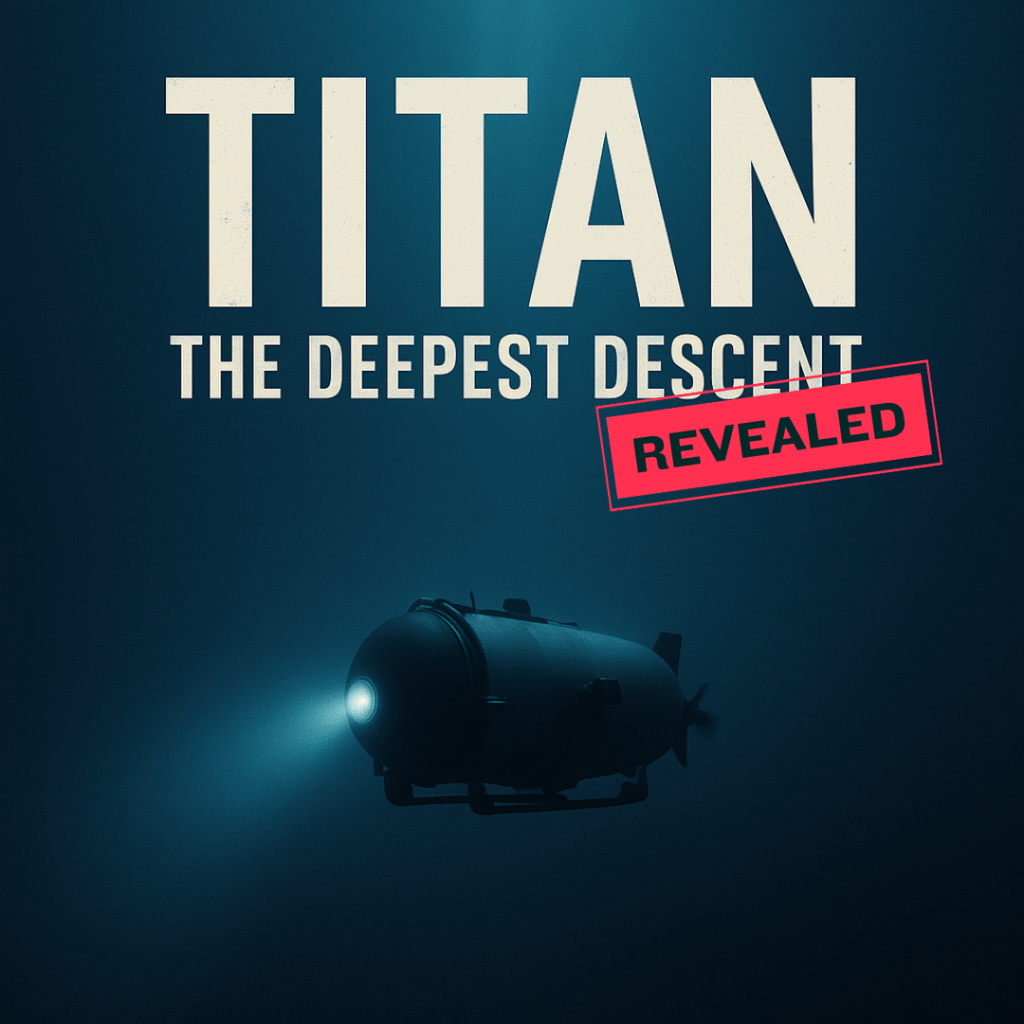
The Titan submersible disaster of 2023 wasn't just a tragedy—it was a masterclass in how unchecked ego, regulatory blind spots, and the dangerous cocktail of Silicon Valley "move fast and break things" mentality can literally implode when applied to, you know, actual life-or-death situations. Netflix's latest documentary, "Titan: The OceanGate Disaster," dropped in June 2025, and let me tell you, it's the kind of watch that makes you simultaneously furious and fascinated.
Let’s go back to the start of this corporate fever dream. OceanGate was founded by Stockton Rush, his big idea? Take rich people in a glorified soda can down to see the Titanic.
Cool. Ambitious. Problematic as hell.
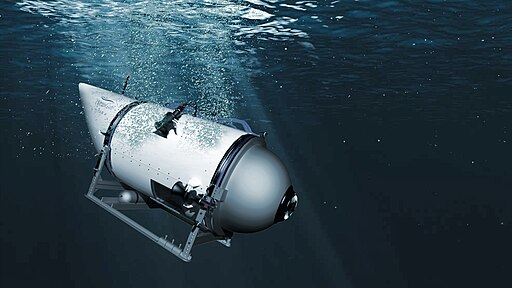
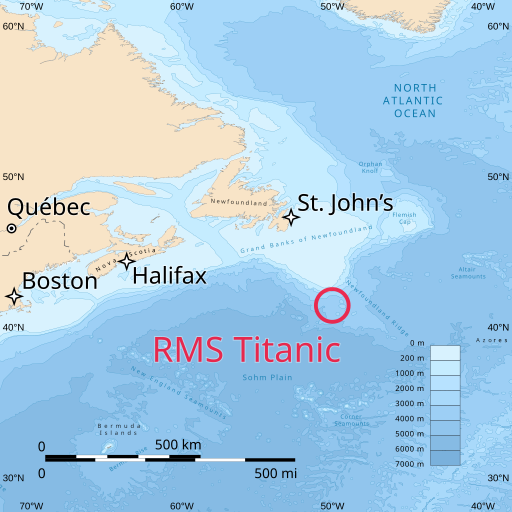
The Titan was OceanGate’s homemade submersible, and if you think that sounds janky, wait until you hear the specs. Built with carbon fiber and bolted shut from the outside (yep, no opening from the inside), the sub was designed to take five people 12,500 feet underwater—to a shipwreck that’s already claimed its fair share of lives.
What really made the Titan stand out was its total rejection of traditional safety protocols. Rush wasn’t into certification or regulations. Too slow. Too “government.” Instead, the Titan came with a Logitech gaming controller (not joking), no GPS, and a hull that experts were already side-eyeing like, “this ain’t it, chief.”… Oh, and no real escape plan if something went wrong.
The Warnings Everyone Ignored (Except the People Who Quit)
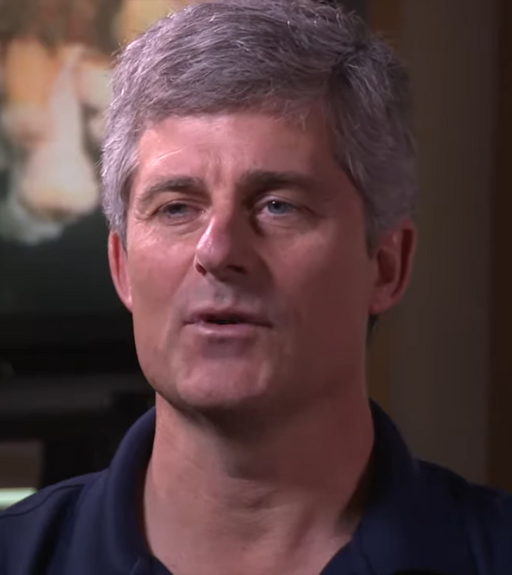
Stockton Rush, was the walking embodiment of dangerous overconfidence. He positioned himself as the visionary who would democratize deep-sea exploration, making it accessible to wealthy tourists while advancing scientific research. Noble goals, sure, but there’s a reason why submersibles have traditionally been built by methodical engineers who obsess over every bolt and seal. The Netflix documentary paints a picture of a man who genuinely believed he was pushing humanity forward. He wasn’t some mustache-twirling villain, he was worse. He was a true believer in his own genius, surrounded by people who either bought into his vision or were too polite to tell him he was about to kill people.
Here’s where the story gets really infuriating. The documentary reveals that warnings about the Titan’s safety weren’t just ignored—they were actively dismissed as industry conservatism standing in the way of progress. Multiple former employees, including OceanGate’s former director of marine operations David Lochridge, raised serious concerns about the submersible’s design and testing procedures. Lochridge, in particular, was vocal about the inadequate testing of the carbon fiber hull—the very component that would eventually fail catastrophically. He was fired in 2018 after raising these concerns, and later filed a whistleblower complaint with OSHA. The documentary shows how his warnings were characterized as the complaints of a disgruntled employee rather than legitimate safety concerns from an experienced professional. Tony Nissen, another former employee featured in the documentary, described the pressure to rush the Titan into service despite ongoing safety concerns. The pattern is depressingly familiar in our days: experienced professionals raising red flags, management dismissing them as obstacles to innovation, and the inevitable tragic outcome. Who feels identified?
This wasn’t just a tragedy, the world discovered the dangers of a narcissistic, arrogant and irresponsible personality with a side of billionaire ambition.
The Fatal Expedition: When Reality Crushed Fantasy
On June 18, 2023, five people board the Titan: Stockton Rush himself, explorer Hamish Harding, Titanic expert Paul-Henri Nargeolet, and father-son duo Shahzada and Suleman Dawood. The vibe? Exclusive, high-stakes, and absurdly risky.
Roughly 1 hour and 45 minutes in, Titan loses contact with its surface ship, the Polar Prince. The internet goes nuts. News breaks. Memes explode. The phrase “missing sub” trends globally, and suddenly everyone with a “X” account is a deep-sea engineer.
For days, we were all doing collective math: “They’ve got 96 hours of oxygen… Wait, is it 70 now? 50?”
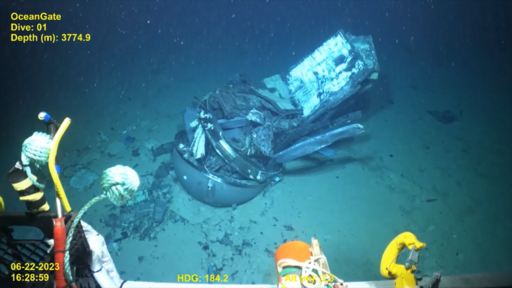
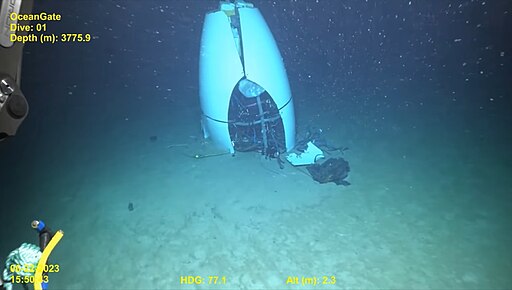
On June 22, the U.S. Coast Guard finds debris. The Titan had imploded. No Hollywood-style rescue, no last-second air tank refill, no dramatic return. Just instant obliteration. Experts say the pressure at that depth would’ve caused a collapse so fast the passengers didn’t even know what hit them.
Let’s Break Down The Red Flags
1- Carbon fiber hull:
Not ideal for deep sea. It’s great for racing bikes, not crushing pressures. Unlike steel or titanium, carbon fiber can degrade in sneaky, invisible ways.
2- No third-party certification:
OceanGate refused to get Titan classified by any recognized agency. Because… disruption. Rush literally said regulations were slowing innovation. That’s a cute take—until your vessel becomes a very expensive underwater blender.
3- PlayStation controller for navigation:
Yes. This was a real thing. They used a Logitech F710. Functionally, it worked. Until you realize it’s the same tech used to play “Call of Duty,” now trying to steer you through the darkest parts of the ocean. What could go wrong?
Add all that up and you don’t just get risk. You get inevitable disaster.

I must say the trailer is very good. It captivated me from the very beginning, highlighting the warnings from the former employees and Stockton’s delusions of revolutionizing the world. The concept was very well crafted, blending mystery and curiosity. Love it
Now “Titan: The OceanGate Disaster” could have easily been a sensationalized true-crime style production, but director Mark Monroe takes a more measured approach. The documentary doesn’t try to turn the victims into heroes or villains—it simply presents the facts and lets viewers draw their own conclusions.
The film’s strength lies in its access to former OceanGate employees who provide firsthand accounts of the company’s culture and decision-making process. These aren’t anonymous sources with axes to grind; they’re professionals who worked closely with Rush and witnessed the corners being cut in real-time.
The documentary also does something crucial: it humanizes the victims without ignoring their agency in the tragedy. Yes, they were paying customers who assumed certain risks, but they were also misled about the extent of those risks. The film strikes a balance between sympathy and accountability that’s surprisingly nuanced for a Netflix production.
What’s particularly chilling is how the documentary shows the normalization of risk within OceanGate. Former employees describe a culture where safety concerns were reframed as innovation challenges, and where questioning the Titan’s design was seen as lacking vision.
The Good Stuff:
It recreates the dive in real time, building tension even when you know the ending. It’s like watching Titanic, except the iceberg is structural arrogance.
Family interviews: Emotional, raw, and not overdone. Especially heartbreaking are the perspectives from those who had no clue their loved ones were boarding a ticking pressure bomb.
Expert input: Finally, some actual engineers get screen time. They break down how and why carbon fiber fails under pressure. Spoiler: it delaminates.
CGI visuals: The pressure implosion simulations are brutal and effective. It’s not gore, but it’s enough to make you rethink that “Explore the Abyss” bucket list entry.
The Not-So-Good:
Some sequences are unnecessarily Hollywood. Yes, it was a disaster. But slow-motion soundbites and dramatic score every five minutes?.
Overall, it does its job: it makes you angry, sad, curious, and—most of all—wary of tech entrepreneurs promising the impossible.
The Aftermath: What Happened with OceanGate?
OceanGate shut down operations after the implosion (thank God). But the fallout is still being felt.
Engineers are calling for more regulation in deep-sea tourism. Lawmakers are realizing international waters aren’t the Wild West forever. And the public? We’re torn between morbid curiosity and genuine grief.
But let’s also not forget the human stories in all this:
A son who went diving to make his dad proud. An explorer who spent his life studying a sunken ship only to join it. A CEO who believed so hard in his mission, he literally went down with the ship. It’s equal parts tragedy and cautionary tale.